

Cheap rubbish removal in W2 vs central Paddington
Posted on 08/09/2026
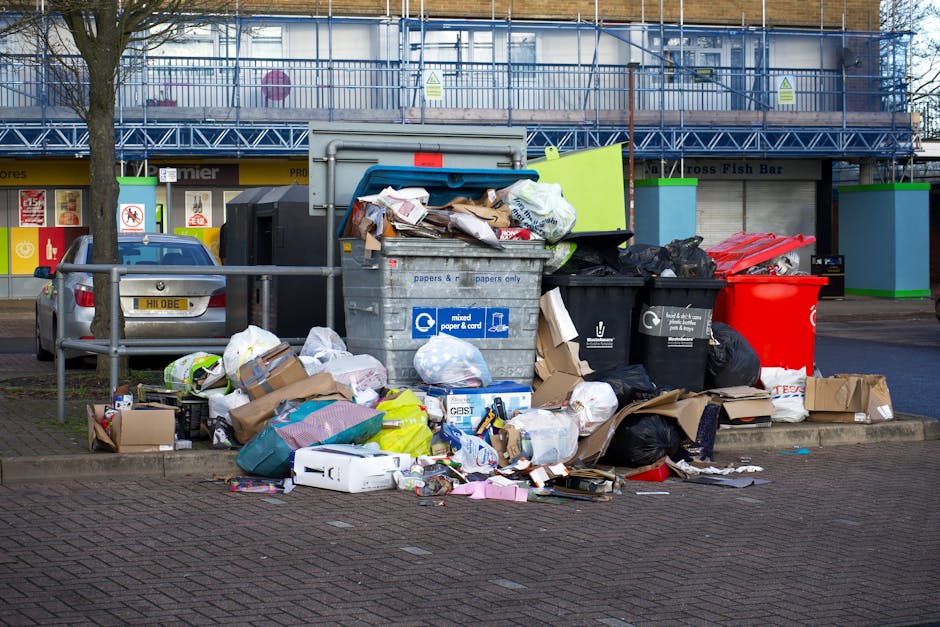
Cheap rubbish removal in W2 vs central Paddington: what actually changes, what stays the same, and where to save
If you are comparing cheap rubbish removal in W2 vs central Paddington, the short answer is this: the job can look similar on paper, but the final price and the day-to-day experience often change once access, loading time, property type, and parking get involved. That is the bit many people only discover when they are already standing beside a hallway full of old furniture, builders' offcuts, or a loft's worth of "I'll deal with it later" boxes. Familiar story, really.
This guide breaks down the practical differences between W2 and central Paddington, how pricing usually works, where the hidden costs come from, and how to choose the right removal option without overpaying. You will also find a clear checklist, a comparison table, and a realistic example based on common local jobs. If you want to make a sensible decision, not a rushed one, you are in the right place.
Why cheap rubbish removal in W2 vs central Paddington matters
W2 and central Paddington are close neighbours, but rubbish removal prices are not always close at all. The postcode, road layout, building type, and how long the crew spends on site can all affect the final bill. In a street with simple access and nearby loading, a small clearance can feel quick and straightforward. In a central Paddington block with narrow entrances, stairs, lifts, and parking pressure, the same pile of waste may take longer and cost more.
That matters because people often search for the cheapest option without thinking about the full job. A low headline price can look attractive, then extra charges appear for labour, heavy items, restricted access, or waiting time. To be fair, that is not always the fault of the provider. A mattress from a top-floor flat with no lift is a different beast from a few bin bags left by the door.
The local context matters too. Paddington has a mix of mansion blocks, converted flats, serviced apartments, offices, and older residential properties. Central locations also tend to have more time-sensitive clearances, especially for landlords, letting agents, and businesses trying to turn a space around quickly. If you have ever tried to squeeze a van stop into a busy London road at 8:30 in the morning, you already know the vibe.
For people researching the area more broadly, it can help to understand how local property patterns and day-to-day living influence waste needs. Our guides on Paddington from a local perspective and the Paddington property market give useful background if you are planning a move, a sale, or a refurbishment.
How cheap rubbish removal in W2 vs central Paddington works
At a practical level, most rubbish removal jobs follow the same pattern:
- You describe the waste, access, and timing.
- You get an estimate or quote based on volume, type, and labour.
- The crew arrives, confirms the load, and removes the items.
- The waste is sorted for reuse, recycling, or disposal where possible.
The difference between W2 and central Paddington usually comes down to friction. Not drama, just friction. A front-of-house collection in a quieter part of W2 may be smoother than a central Paddington job requiring call-backs, lift checks, or a long walk from the flat to the truck. Those small delays can matter more than people expect.
For example, a one-bedroom flat clear-out with easy access might be priced mainly on volume. But if the same flat is on the fourth floor, the lift is small, and the truck cannot park directly outside, the provider may need to allow extra labour time. That is where a "cheap" job can become less cheap if the quote was too optimistic.
Waste type also plays a role. General household junk is usually simpler than builder's waste, mixed furniture, or items that need special handling. If your job includes renovation debris, this is where a more specific service such as builders waste disposal in Paddington becomes more relevant than a generic collection.
One useful detail: a good provider should explain what is included before they arrive. That should cover labour, lifting, loading, and whether the estimate assumes normal access. If it sounds vague, press for clarity. Future-you will be grateful.
Key benefits and practical advantages
The biggest benefit of understanding the W2 versus central Paddington difference is simple: you avoid paying for avoidable surprises. But there are a few more gains worth spelling out.
- Better budgeting: You can compare like with like rather than just chasing the lowest headline figure.
- Fewer delays: Planning around access and parking helps the job finish faster.
- Less stress: There is something oddly comforting about knowing the sofa will be gone by lunchtime.
- Cleaner handover: This matters for landlords, agents, offices, and flats being prepared for new occupants.
- More suitable service choice: You can decide between man-and-van, full clearance, or targeted removal.
There is also a quality angle. Cheap does not have to mean careless. In fact, the best value usually comes from a crew that works efficiently, communicates clearly, and handles the job in one clean visit. A cheap quote that avoids re-visits, missed slots, or a second round of lifting is often the real bargain.
If you are trying to reduce waste from a home or office, it also helps to think beyond removal day. Services that support recycling and reuse can cut unnecessary landfill impact, which is a small but meaningful win. For a broader view of responsible disposal, our recycling and sustainability page is a sensible read.
Who this is for and when it makes sense
Cheap rubbish removal in W2 vs central Paddington is not only for people trying to save money. It is for anyone who wants the right service without paying luxury-prime-area tax for a straightforward job. That usually includes:
- flat owners clearing old furniture or bagged household waste
- tenants moving out and leaving a tidy space behind
- landlords preparing a property between lets
- office managers dealing with desks, chairs, and archive clear-outs
- homeowners tackling loft, garage, or cellar clutter
- people dealing with seasonal garden waste after a bit of overenthusiastic pruning
It makes sense when the waste is too bulky for normal bins, too awkward for a car, or too much hassle to handle alone. It also makes sense if you want same-day support, especially when a property handover is looming. Central Paddington jobs often fit this pattern because the area has plenty of compact flats and commercial spaces that need quick turnaround.
If your task is more specific, the right service matters. A sofa removal is not the same as a loft clearance, and office clearance is a different rhythm again. The site's services overview is helpful for understanding how these jobs are typically split up.
Step-by-step guidance
Here is the simplest way to approach the job without overthinking it.
- Sort the waste first. Separate general junk, furniture, electronics, DIY rubble, and reusable items. A quick sort can reduce time on site and stop the load from becoming messy.
- Check access. Look at stairs, lifts, loading space, and whether anything awkward needs carrying through shared areas.
- Measure the volume honestly. "A bit of rubbish" can mean one bag or half a van. Be exact enough to avoid underquoting.
- Ask what the quote includes. Labour, lifting, disposal, waiting time, and congestion-sensitive access all matter.
- Book the right timing. Early morning slots can be easier in busy streets, but only if building access works that way.
- Prepare the area. Move items near the entrance if safe, keep doors open only where allowed, and clear the route.
- Confirm the load on arrival. A quick walkthrough helps avoid awkward conversations later.
That last step sounds obvious, yet it is often skipped. Then someone says, "Oh, there was also that cupboard in the hallway." And everyone does the same little sigh.
If you are not sure whether a bulky item or flat clearance needs extra care, look at specialist pages such as furniture disposal in Paddington or loft clearance in Paddington. Matching the service to the job usually saves time and money.
Expert tips for better results
Here are the little things that make a decent job feel smooth instead of clunky.
- Be precise about floor level and access. A lift does not automatically mean easy access if it is tiny or shared with residents all day.
- Bundle similar waste together. Furniture, bagged rubbish, and light DIY waste are easier to load when grouped sensibly.
- Keep fragile items separate. Broken glass, mirrors, and loose nails can slow the job and create risk.
- Choose the service by waste type, not by habit. For example, office furniture and paper waste may suit office clearance in Paddington, while household clutter may fit a more general collection.
- Ask about recycling before booking. It is a good sign when a provider can explain how different materials are separated.
Here is a small real-world observation: the most efficient clearances often happen when the customer has already done half the thinking. Nothing fancy. Just a label here, a bag there, and a clear route to the door. That can shave a surprising amount of time off a job.
If you are pricing up several jobs at once, it may help to compare your options alongside Paddington rubbish removal costs and instant quotes. It is not about obsessing over pennies; it is about spotting where value really sits.
Common mistakes to avoid
People usually do not get rubbish removal wrong because they are careless. More often, they are busy, tired, or trying to move house and clear a flat at the same time. Still, a few mistakes come up again and again.
- Going for the lowest quote without checking what it covers. Cheap can become expensive if labour or access is excluded.
- Underestimating the volume. This is the classic one. A "small pile" somehow becomes two van loads.
- Forgetting building rules. Some flats and managed properties have tight time windows for collections.
- Mixing prohibited or awkward waste with normal waste. That can affect handling and price.
- Leaving the clearance until the last minute. Same-day jobs are possible, but they are usually less flexible and sometimes cost more.
If you are in a flat, or you are acting on behalf of a tenant, check whether there is a licensing or access issue before the van arrives. The article on whether you need a licence to remove waste from Paddington flats is useful if that question is on your mind.
And if dumped rubbish is part of the problem rather than your own waste, do not just push it aside and hope it vanishes. The guide to dealing with dumped rubbish and fly-tipping risks in Paddington is worth a look.
Tools, resources and recommendations
You do not need a suitcase full of equipment to arrange rubbish removal, but a few simple tools make the process easier.
- Phone camera: Take clear photos of the waste and access points before requesting a quote.
- Tape measure: Helpful for bulky furniture, awkward hallways, and loft items.
- Basic sorting bags or boxes: Good for separating small items before collection.
- Notebook or phone notes: Handy for listing what must go, what must stay, and what needs special handling.
- Building access instructions: Lift codes, concierge rules, or loading notes can save a lot of back-and-forth.
For readers who want a broader sense of the local service landscape, the site's rubbish collection in Paddington and waste clearance in Paddington pages are useful starting points. They help frame the difference between quick collections and fuller clearances.
There is also a practical planning angle. If your job is linked to a move, a refurbishment, or a sale, you may want to read more about local housing movement and occupancy patterns. Articles like buying property in Paddington and what residents say about living in Paddington give context that can influence timing and expectations.
Law, compliance, standards, or best practice
This part matters more than many people realise. In the UK, waste must be handled by responsible parties, and you should always be cautious about who collects it. A professional service should be able to explain how your waste is taken, where it goes, and how items are sorted for reuse or recycling where possible.
Best practice usually means:
- clear pricing before work starts
- safe lifting and loading methods
- reasonable handling of shared spaces and neighbours
- careful separation of recyclable materials where practical
- an honest approach to difficult or restricted access
For commercial jobs, office clearances, and building-related waste, it is sensible to ask extra questions about safety and documentation. The location can be busy, the buildings can be tight, and nobody wants an avoidable problem in a communal hallway at rush hour.
If you want to understand how the company approaches responsible operations more broadly, pages such as insurance and safety, payment and security, and terms and conditions are worth reviewing before you book. Plainly put, trust is part of the service.
Options, methods, or comparison table
If you are choosing between methods, this comparison should help.
| Option | Best for | Typical strengths | Possible drawbacks |
|---|---|---|---|
| Man-and-van style rubbish removal | Small to medium loads, quick turnarounds, mixed household items | Flexible, often cost-effective, good for awkward schedules | May become less cheap if access is poor or the load is larger than expected |
| Full waste clearance service | Bigger clearances, multiple room jobs, landlord and tenant turnovers | More structured, better for heavier workloads, easier for larger properties | Not always the cheapest for very small jobs |
| Specialist furniture disposal | Sofas, wardrobes, beds, office seating | Efficient handling of bulky pieces, less lifting stress for the customer | Less suitable if you also have lots of loose rubbish |
| Builders waste disposal | DIY rubble, renovation debris, packaging, mixed building offcuts | Better suited to heavy and dusty loads | Can cost more than normal household rubbish due to weight and handling |
In central Paddington, the right choice often depends on access as much as waste type. In W2, where access can sometimes be simpler, a smaller man-and-van job may work beautifully. But if the property is a top-floor flat with no lift, even a modest job can behave like a bigger one. Annoying, yes. Common, also yes.
If you are weighing your options, the article on skip hire vs man and van in Paddington is especially useful. It helps you compare convenience, access, and cost rather than just looking at price labels.
Case study or real-world example
Picture two similar jobs.
Job A: A small flat in W2 with easy lift access, a manageable pile of mixed household waste, and space for the crew to park nearby. The customer wants the items gone before lunchtime because a new sofa is arriving later that day.
Job B: A central Paddington apartment with the same amount of waste, but the building has tighter access, limited loading space, and a slower lift that is shared with residents.
On paper, the waste volume is similar. In real life, Job B often takes longer. The crew may need to carry items further, wait for lift access, or work around building traffic. That extra time is usually what nudges the price upward. Nothing dramatic, just practical reality.
Now add one more layer: if the W2 job includes a bulky wardrobe and a broken bed frame, while the central Paddington job is mostly bagged rubbish, the comparison changes again. This is why quoting by postcode alone is rarely enough. Access, waste type, and speed all matter. The postcode starts the conversation, not finishes it.
For quick-turnaround scenarios, especially flats, the page on same-day clearance for Paddington flats gives a practical sense of how fast jobs are usually handled when time is tight.
Practical checklist
Use this before you book.
- Take photos of all items to be removed.
- Note whether the property is in W2 or central Paddington, and where access is easiest.
- Measure large items such as sofas, wardrobes, and mattresses.
- Confirm floor level, lift access, and any concierge or building rules.
- Separate reusable items, recyclables, and general waste where possible.
- Ask whether labour, loading, and disposal are included in the quote.
- Check timing if you need same-day or next-day service.
- Make sure the route to the items is clear and safe.
- Keep an eye out for hidden waste behind wardrobes, in cupboards, or under stairs.
- Choose the service type that matches the job, not just the one that sounds cheapest.
It sounds simple. Mostly it is. But simple done well saves you a lot of hassle, and in London that is no small thing.
Get a free quote today and see how much you can save.
Conclusion
Cheap rubbish removal in W2 vs central Paddington is not really a postcode beauty contest. It is a question of access, time, waste type, and how honestly the job is scoped before anyone lifts a thing. If you keep those four factors in mind, you are far less likely to overpay or get caught out by last-minute extras.
The best outcome is usually not the absolute lowest headline price. It is the clean, efficient job that clears the space, respects the building, and does not create a headache for you later. That is the sweet spot, and it is absolutely achievable.
If your place is full of clutter right now, take a breath. Sort the load, ask the right questions, and get a proper quote. The rest is just a van, a bit of lifting, and the satisfying moment when the space starts looking like yours again.

 Tipper Van - Rubbish Removal and Waste Clearance Prices in Paddington, W2
 Luton Van - Rubbish Removal and Waste Clearance Prices in Paddington, W2

