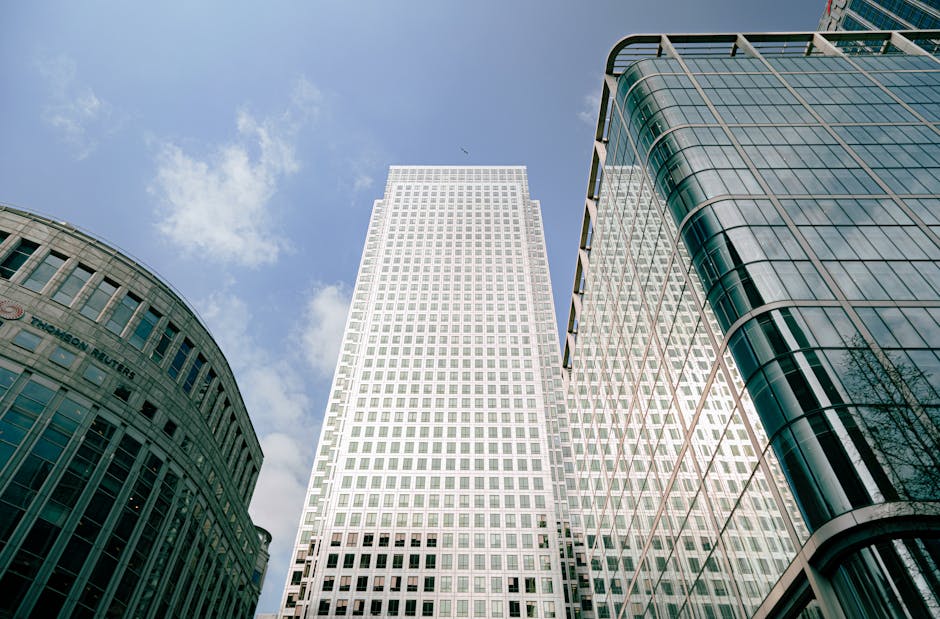
Office clearance tips for Sheldon Square businesses, Paddington
Posted on 07/05/2026
If you run a business near Sheldon Square, you already know the area has its own rhythm. People move fast, deliveries need timing, lifts can be busy, and a "quick clear-out" can turn into a small logistics puzzle before you've had your first coffee. That is exactly why Office clearance tips for Sheldon Square businesses, Paddington matter: the right approach saves time, keeps staff calm, protects valuable items, and helps you avoid unnecessary disruption.
Whether you are downsizing, relocating, refurbishing, or simply clearing out years of accumulated office clutter, a structured plan makes all the difference. In this guide, you'll find practical steps, local considerations, compliance reminders, and a few hard-earned tips that make the process smoother in real life, not just on paper. Let's face it, office clearance is rarely exciting - but it can be surprisingly efficient when handled properly.

Why Office clearance tips for Sheldon Square businesses, Paddington Matters
Sheldon Square sits in a busy part of Paddington, where offices often operate alongside residential buildings, retail units, transport links, and a steady flow of pedestrians. That mix is convenient for business, but it also means clearance work needs a bit more care than a generic "empty the office" job. Timing, access, noise, waste segregation, and building rules all start to matter very quickly.
A poorly planned clearance can create avoidable problems: missed collection windows, blocked corridors, confusion about what stays and what goes, and even damage to communal areas or furniture that could have been reused. On the other hand, a well-run clearance can free up space, improve safety, and make a relocation or refurb feel much less chaotic.
There is also a broader business reason. An office clear-out is often a good moment to review storage habits, data handling, furniture condition, and sustainability goals. If you are already taking stock, you may as well do it properly. For a wider view of how local services fit together, the services overview is a useful place to start, and the main office clearance in Paddington page explains the service in more detail.
Key takeaway: In Sheldon Square, office clearance is not just about removing items. It is about coordinating access, protecting the building, sorting waste responsibly, and keeping the business running with minimal fuss.
How Office clearance tips for Sheldon Square businesses, Paddington Works
Most office clearances follow a fairly simple pattern, though the details vary depending on the size of the space and the type of waste involved. The process usually starts with a site review or a clear inventory. Then comes sorting: what can be reused, what should be recycled, what needs specialist handling, and what is simply rubbish. After that, the team removes items in a planned sequence to keep walkways clear and the building safe.
In practice, the best office clearance jobs are the ones that are planned around the building, not just the contents. If your office is on an upper floor, lift access matters. If there are shared loading bays, timing matters. If you hold IT equipment, paperwork, or branded assets, chain-of-custody and secure disposal matter too. That sounds obvious, but these are the details people often miss until the last minute.
A typical clearance may include:
- desks, chairs, filing cabinets, and shelving
- broken or outdated furniture
- packaging, archive boxes, and general waste
- electrical items such as monitors, printers, and small office equipment
- non-confidential recycling streams, where suitable
Some businesses use a clearance as part of a wider move or refurbishment. In that case, it can make sense to pair office clearance with other local services such as furniture disposal in Paddington or, where the project involves multiple waste streams, rubbish collection in Paddington.
Key Benefits and Practical Advantages
A good office clearance is not only about getting rid of things. It can create breathing room - literally and operationally. You notice it straight away when hallways stop feeling cluttered and meeting rooms are no longer used as storage cupboards. Small win, but a real one.
Here are the main benefits for Sheldon Square businesses:
- Less disruption: A planned clearance reduces noise, bottlenecks, and repeated handling of the same items.
- Better use of space: Clearing redundant furniture and archive clutter can open up room for people, equipment, or a new layout.
- Improved safety: Removing trip hazards and unstable stacks helps keep staff and contractors safer.
- Cleaner compliance: Proper sorting and disposal support better waste handling and data protection habits.
- More sustainable outcomes: Reuse and recycling can reduce the amount sent to landfill.
- Lower stress during moves: If you are relocating, a clear inventory and removal plan makes packing far easier.
For businesses that value sustainability, it is worth reviewing how a clearance provider handles reuse and recycling. You can read more about this on the recycling and sustainability page. The best approach is usually the one that balances speed with responsible disposal. Not glamorous, but practical.
Who This Is For and When It Makes Sense
This guide is for office managers, facility teams, landlords, relocation coordinators, and business owners in or around Sheldon Square who need a straightforward way to clear office space without creating chaos. It also helps if you are a tenant at the end of a lease, because handover timelines can become tighter than expected once inventories are checked and building rules are involved.
Office clearance tends to make sense in a few common situations:
- you are moving to a smaller or larger office
- you are refurbishing and need a full or partial strip-out
- you are replacing old desks, chairs, or storage units
- you have archive, packaging, or accumulated storage clutter
- you need to remove redundant equipment after restructuring
- you are preparing a property for re-letting or sale
If you are also thinking about the local property market or office demand in the wider area, some context from Paddington's real estate market can be useful. The point is simple: when space is valuable, clearing it efficiently matters even more.
Step-by-Step Guidance
A tidy process saves time and avoids unnecessary backtracking. Here is a practical way to approach an office clearance in Sheldon Square.
1. Start with a room-by-room inventory
Walk through the office and list what must go, what might be reused, and what should be kept aside. Be specific. "Old IT stuff" is not enough. If there are printers, monitors, docking stations, shredders, or old storage units, note them separately. A rough inventory is better than none, but a proper one is better still.
2. Separate items by category
Sort items into groups such as furniture, electrical equipment, confidential waste, recyclable material, and general rubbish. This is where a lot of time is won or lost. If everything is dumped into one pile, sorting becomes slower, messier, and more expensive.
3. Check building access and timing
Sheldon Square offices may have shared access points, reception procedures, lift bookings, or loading restrictions. Confirm these early. If your clearance is scheduled for a weekday rush hour, you may run into avoidable delays. Early mornings or quieter windows are often easier, though every building is a little different.
4. Identify anything confidential or sensitive
Paper files, hard drives, USB devices, and printed documents deserve special attention. Do not assume they can just be mixed into general waste. Arrange secure shredding or certified destruction where needed, and keep a record for your files. In some offices this is handled internally; in others, it is part of the clearance service.
5. Remove reusable items first
Furniture in decent condition, office chairs, shelving, and even some equipment may be suitable for reuse or resale. Clearing these items first creates space and can reduce the volume of waste that needs to be handled as rubbish. A sensible provider will help distinguish reusable items from damaged stock.
6. Schedule the final sweep
Once the main items are removed, do a final sweep for cables, broken fittings, packaging, and anything tucked under desks or behind cabinets. You would be surprised what turns up at the back of a storage room. Really, you would.
7. Confirm the handover is complete
Before you sign anything off, check the office against your inventory and lease obligations. Make sure the space is left in the agreed condition. If there are building-specific requirements, keep a copy of any completion notes or removal records.
Expert Tips for Better Results
A few small choices can make the whole process smoother. These are the kinds of details that experienced clearance teams tend to think about early, because they have learned the hard way what slows people down.
- Book earlier than you think you need to. Last-minute clearances tend to cost more in time and stress, especially in busy parts of Paddington.
- Keep one person in charge. Too many decision-makers create delays. One point of contact makes the process clearer.
- Label keep, donate, recycle, and remove. Simple labels prevent a lot of confusion on the day.
- Photograph high-value items. This is useful for internal records and for avoiding disputes about condition.
- Think about noise and neighbours. In mixed-use areas, being considerate is just good manners. And good business.
- Ask how items will be handled. A serious provider should explain what gets reused, recycled, or disposed of and how.
If your clearance overlaps with a refurbishment, you may also need a builder-friendly waste solution. In that case, builders waste disposal in Paddington can be relevant, especially where strip-out material, timber, or mixed debris is involved.
One more thing: if a team seems vague about timing or access, trust that instinct. Vague on the phone often becomes messy on site. Not always, but often enough to be worth noting.

Common Mistakes to Avoid
Office clearances often go wrong for predictable reasons. The good news is that most of them are easy to avoid if you spot them early.
- Leaving sorting until the last day: This turns a structured clearance into a scramble.
- Forgetting about access rules: Lift bookings, parking, and loading restrictions can derail the schedule.
- Mixing confidential waste with general rubbish: That is a risk you do not want to improvise around.
- Not checking item ownership: Shared offices often contain items that belong to landlords, contractors, or previous tenants.
- Assuming all waste is the same: Furniture, electrical items, and paper records are not always handled in the same way.
- Choosing purely on price: Cheap is fine if the service is sound. Cheap and vague is another matter.
There is also a common human mistake: keeping "just in case" items forever. A box of old lead chargers, duplicate monitors, and mystery cables can live in a cupboard for years because nobody wants to make the call. Eventually someone has to. Might as well be now.
Tools, Resources and Recommendations
You do not need a truckload of fancy tools to organise an office clearance, but a few basics help a lot.
- Inventory sheet or spreadsheet: Useful for tracking items by room and category.
- Labels and markers: Keep items clearly marked for reuse, disposal, or relocation.
- Camera phone: Handy for recording room condition before and after the clearance.
- Document shredder or secure shredding arrangement: Important for confidential records.
- PPE where needed: Gloves, high-visibility clothing, and sensible footwear for anyone moving items around.
For businesses comparing service scope, the pricing and quotes page can help set expectations, while the about us page is useful if you want a better sense of the team behind the service. If you prefer to understand how a provider approaches different types of waste, the broader waste clearance in Paddington page is also worth a look.
And if you are clearing out a mixture of office furniture and smaller bulky items, it can be helpful to consider whether the job is best handled as part of a wider clearance or split into separate collections. A little planning here can save a lot of shuffling later.
Law, Compliance, Standards, or Best Practice
This section is where office clearance gets a bit more serious. There are several areas where good practice matters, even if the details depend on your business type and the items being removed.
Waste duty of care: In the UK, businesses are generally expected to take reasonable steps to make sure waste is handled properly. In plain English, that means using a responsible carrier, keeping records where appropriate, and not treating disposal as an afterthought.
Confidential information: Paper records, client files, and digital storage devices should be handled carefully. If documents or drives contain personal or sensitive data, secure destruction is usually the safer route. Your internal policies may be stricter than the bare minimum, and that is a good thing.
Electrical equipment: Older electronics may need special handling. If items are reusable, that is great. If not, they should be sorted appropriately rather than mixed with general waste.
Building rules and access arrangements: Many office buildings have their own procedures for service lifts, loading bays, contractor sign-in, and removal timings. These may not be "law" in the strict sense, but they are very much real rules on the day.
Health and safety: Safe manual handling, clear walkways, and sensible lifting practices matter. A professional team should be insured and should work in a way that reduces risk to staff and building users. You can review general standards on the insurance and safety page.
If your project involves a larger business change, it can also be worth looking at related local context, such as an insider's look at Paddington. It helps to understand the area you are operating in, especially when access and timing are part of the practical reality.
Options, Methods, or Comparison Table
There is more than one way to clear an office. The best option depends on your timeline, internal resources, and the mix of items involved. Here is a simple comparison.
| Method | Best for | Pros | Watch outs |
|---|---|---|---|
| In-house clearance | Small offices with light clutter | Low immediate cost, full control | Staff time, lifting risk, slow progress |
| Partial professional clearance | Mixed jobs with some reusable items | Flexible, efficient, less disruption | Needs good planning and clear instructions |
| Full office clearance service | Moves, refurbishments, end-of-lease handovers | Fast, organised, less stress for staff | Requires clear access, timing, and scope |
| Phased clearance | Occupied offices or larger sites | Less disruption, easier to manage | Takes longer and needs tighter coordination |
For most Sheldon Square businesses, a phased or professional clearance is the most practical route. It tends to fit better with shared building access, active workspaces, and the reality of trying to keep operations going while someone is moving a file cabinet down a corridor.
Case Study or Real-World Example
Here is a realistic example, based on the sort of office clearances that happen all the time in Paddington.
A small consultancy based near Sheldon Square needed to vacate one floor and consolidate into a smaller office. The team had a mixture of desks, swivel chairs, archive boxes, broken monitors, and a storage room that had quietly become a holding area for things nobody wanted to claim. The move date was fixed, the lift booking window was short, and the landlord wanted the space returned tidy.
Rather than remove everything in one go, the business split the project into stages. First, they identified items for reuse. Then they separated paper archives for secure shredding and tagged older furniture for disposal. The final clearance was scheduled early in the morning, which helped avoid traffic around the building entrance and made lift access much easier.
The result? Less congestion, fewer surprises, and a cleaner handover. No drama. No piles of random cables at the last minute. Just a neat finish, which is exactly what you want when you are trying to concentrate on the next chapter rather than the one behind you.
That kind of result is common when people plan a little and do not leave everything to chance. Honestly, most clearance stress comes from avoidable delays rather than the clearance itself.
Practical Checklist
Use this checklist before the clearance day arrives.
- Confirm the clearance date and time window
- Check building access, lift bookings, and loading arrangements
- Walk the office and create an item inventory
- Identify reusable furniture and equipment
- Set aside confidential files and digital media
- Separate recyclable items from general waste
- Label items clearly for keep, move, reuse, or remove
- Notify relevant staff, contractors, or reception teams
- Prepare any signage, passes, or site contact details needed on the day
- Take before-and-after photos for records
- Check the final space against lease or handover requirements
- Keep receipts, notes, or completion records where appropriate
If the office also contains bulky storage furniture or mixed household-style items from a hybrid workspace, some businesses find it useful to review related options such as house clearance in Paddington or loft clearance services when the storage has become a bit of a catch-all over time. A strange sentence, maybe, but anyone who has seen a back room full of "temporary" boxes will know exactly what that means.
Get a free quote today and see how much you can save.
Conclusion
Office clearance in Sheldon Square does not have to be a disruptive headache. With a sensible plan, clear sorting, building-aware timing, and a good grasp of what should be reused, recycled, or securely removed, the whole process becomes much easier to manage. That is the real value of these Office clearance tips for Sheldon Square businesses, Paddington: they help you protect time, space, and sanity all at once.
Whether you are moving out, refurbishing, downsizing, or just trying to reclaim a office that has slowly filled up with the usual odds and ends, a careful approach will always pay off. Keep it organised, stay realistic about access, and do not leave the awkward items until the end. You will thank yourself later.
And if you are still at the "where do we even start?" stage, that is normal. Start with one room, one list, one decision at a time. Progress has a funny way of building once the clutter begins to move.