

Avoid fly-tipping fines in Paddington: dealing with dumped rubbish
Posted on 02/06/2026
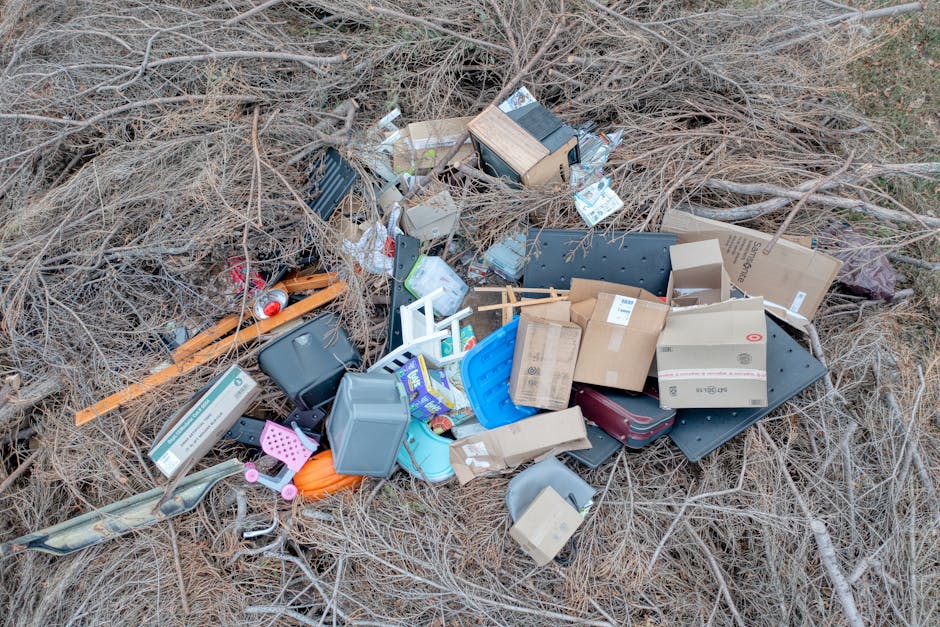
If you have ever walked past a piled-up mattress, a broken wardrobe, or a black bag mountain on a Paddington street corner and thought, "Right, who's dealing with this then?", you are not alone. Dumped rubbish is one of those annoying London problems that seems to appear overnight. And if you are the resident, landlord, tenant, business owner, or contractor left holding the bag, the risk is not just frustration. It can turn into a fly-tipping fine, a delay, or a mess that gets worse by the hour.
This guide explains Avoid fly-tipping fines in Paddington: dealing with dumped rubbish in plain English. You will learn what fly-tipping means, how to respond safely, what to document, where people often go wrong, and how to choose a legitimate waste removal route when you need one. We will also look at practical next steps for homes, flats, offices, and building projects in and around Paddington. To be fair, it is one of those topics that sounds simple until you are standing outside with a sofa in the rain.
Why Avoid fly-tipping fines in Paddington: dealing with dumped rubbish Matters
Paddington is busy, dense, and always moving. That makes waste visible. It also makes waste a magnet for more waste. One abandoned bag can attract another. One dumped sofa can sit there until people start adding bin liners, broken bits of furniture, and odd household clutter around it. The problem snowballs fast.
Why should you care? Because fly-tipping is not just untidy. It can create a chain of headaches: complaints from neighbours, blocked access, pest attraction, fire risk, injuries, and sometimes penalties if the waste can be linked back to you. If rubbish is left in the wrong place, or handed to the wrong person, the situation can become your problem very quickly. That is the part many people miss.
In Paddington, where flats, managed buildings, small commercial spaces, and construction projects all sit close together, the line between "my waste" and "someone else's dumped rubbish" can get blurred. A bag left by a communal entrance, a builder's rubble pile on a pavement, or old office furniture stacked out the back can all become awkward very quickly.
Expert summary: the safest approach is simple: identify the waste, keep it contained, document where it is, and move it through a lawful disposal route as soon as possible. If you do nothing, problems rarely stay small.
For local context, it helps to understand the area itself. Paddington is a place where housing, business, and movement overlap constantly, which is one reason our local guides such as an insider's look at Paddington and why residents choose to live in Paddington are so relevant. The neighbourhood is great, but it demands tidy habits.
How Avoid fly-tipping fines in Paddington: dealing with dumped rubbish Works
First, let's define the issue. Fly-tipping is the illegal dumping of waste on land not licensed to accept it. In everyday life, that can mean bags of rubbish left beside a wall, broken furniture placed in a communal alley, builders' waste abandoned after a job, or even household items dumped in a doorway "for later". Later never seems to come, does it?
Dealing with it properly usually has three parts:
- Assess the waste - what it is, how much there is, whether it is hazardous, and whether it may be linked to you.
- Record the situation - photos, location, time noticed, and any visible labels or packaging.
- Choose the right removal route - council report, landlord/building management action, or a licensed waste clearance option.
That sounds dry, but it matters. If you remove the waste without checking whether it belongs to you, you might accidentally discard someone else's property or destroy evidence. If you leave it too long, you increase the chance of complaints, pests, or enforcement attention. The sweet spot is quick, calm, and documented action.
For example, a landlord in a Paddington block might discover a pile of old mattresses and cardboard in a bin store. If those items came from a tenant move-out, the property manager needs to establish responsibility and arrange prompt removal. If the source is unknown, the safest route is still to clear it lawfully and prevent recurrence. If you manage a business, the same logic applies, just with fewer excuses and usually more urgency.
When the waste is clearly yours and you need it removed fast, a service such as waste clearance in Paddington or rubbish collection in Paddington may be the most practical route. If it is building debris, something more specific like builders' waste disposal in Paddington is usually a better fit.
Key Benefits and Practical Advantages
Doing this properly gives you more than a clean pavement. It gives you control, and in a city like London, control is gold.
- Lower risk of fines or disputes - you can show you acted responsibly if rubbish is linked to your property or business.
- Faster restoration of access - entrances, fire exits, and shared walkways become usable again.
- Better neighbour relations - nobody likes living or working beside an untidy heap.
- Reduced pest and smell issues - old food waste, damp cardboard, and soft furnishings can turn unpleasant quickly.
- Better compliance - lawful disposal protects you if questions are later asked.
- Less stress - which, honestly, is often the biggest benefit.
There is also a business angle. For office managers, estate agents, and letting teams, quick rubbish handling protects the appearance of the building and the confidence of clients. If you are preparing a property for sale or tenancy, you may want to tie this into wider presentation work, much like the kind of planning discussed in our Paddington property guide and local real estate insights.
And if the waste is the sort that keeps appearing after get-togethers, deliveries, or short-term turnover, a one-off tidy-up can prevent a lot of back-and-forth later on. Not glamorous. Very useful though.
Who This Is For and When It Makes Sense
This topic matters to a bigger group than people first think. You may need it if you are:
- a homeowner with waste left outside your property;
- a tenant trying to avoid trouble with a shared bin area;
- a landlord or letting agent managing move-out waste;
- a facilities manager dealing with communal dumping;
- a shop, cafe, or office handling bulky rubbish after a refit;
- a builder or tradesperson looking for lawful disposal of site waste;
- someone who has found dumped rubbish near your driveway, frontage, or access path.
It also makes sense if the waste is simply too awkward for normal bin collections. Think wardrobes, broken chairs, loft clutter, garden waste sacks, plasterboard, mixed renovation debris, or office furniture. If you are dealing with a full flat clearance, a package like house clearance in Paddington may be more appropriate. For workspaces, office clearance in Paddington is often the cleaner choice. And yes, old sofas still count as furniture, despite trying to look harmless in the corner.
Sometimes the timing matters too. If rubbish has suddenly appeared before an inspection, handover, or event, speed becomes the priority. In those cases, a same-day or urgent collection can be the difference between a calm day and a very awkward one. You can see what that typically involves in our same-day rubbish pickup guide.
Step-by-Step Guidance
Here is a practical sequence you can follow when dumped rubbish shows up in Paddington.
-
Stop and assess the scene
Check whether the waste is safe to approach. Sharp objects, broken glass, needles, chemicals, or leaking containers need extra care. If anything looks risky, do not handle it bare-handed.
-
Take clear photos
Photograph the waste from a few angles, plus the wider location. If there are labels, addresses, delivery slips, or anything identifying, capture that too. It can be surprisingly useful later.
-
Work out whether it is yours
If the rubbish came from your property, flat, garden, office, or contractor, arrange removal promptly. If it is clearly not yours, document it and notify the relevant person or building manager.
-
Contain the mess if it is safe to do so
If bags are open or items are spreading, you can often reduce the problem by keeping the waste together and away from entrances. Avoid moving hazardous items unless you are trained and equipped.
-
Choose the right disposal path
Small, non-hazardous loads may suit a booked collection. Bulky household waste may need a clearance service. Building debris usually needs a more specific route, such as builders' waste disposal in Paddington.
-
Ask for proof of lawful handling
If a contractor collects the waste, make sure the arrangement is legitimate and documented. In normal practice, you should know who is taking the waste and what happens to it after collection.
-
Prevent repeat incidents
Fix the weak point. That might mean improving bin storage, adding signage, locking a service area, scheduling collections more often, or reminding occupants what should not be left outside.
If you are clearing a larger amount, it may help to compare service types before you book. A general overview is available in the services overview, which can make it easier to match the waste to the right option. Not every problem needs the same tool. Thankfully.
Expert Tips for Better Results
In our experience, the people who stay out of trouble do a few small things consistently. Nothing fancy.
- Don't leave mixed rubbish exposed - once rain hits cardboard or soft furnishings, the job gets heavier and messier.
- Separate obvious hazard items - paint tins, sharp fragments, and electrical items should not be tossed in with general waste without checking the right route.
- Schedule collections before clutter builds - a small pile is manageable; a growing one becomes a problem for everyone.
- Use the right service for the waste type - garden debris, office items, and loft clutter each behave differently in practice.
- Keep the access route clear - moving waste is slower when it has to be threaded through narrow hallways or shared stairwells.
- Be careful with "helpful" unofficial offers - if someone offers to take your waste away in a van with no proper details, think twice. Very twice.
A useful local habit is to plan around the building's rhythm. Early mornings, school runs, deliveries, and commuter traffic all affect how easy it is to move waste safely in Paddington. If your building has frequent turnover or limited space, a pre-booked collection can save a lot of friction.
One more thing: keep a short note of the date, what was removed, and who arranged it. That simple record can help if a question comes up later. A minute of admin now can prevent a long conversation later.
Common Mistakes to Avoid
Most fly-tipping problems are made worse by a handful of avoidable mistakes. Here are the big ones.
- Assuming the council will always remove everything immediately - reporting is one thing; rapid resolution is another.
- Dumping items beside a communal bin and hoping they vanish - they usually do not.
- Hiring an unverified collector - cheap can become expensive if the waste is dumped elsewhere and traced back.
- Mixing hazardous and non-hazardous items - this can complicate handling and increase risk.
- Leaving furniture in hallways - that can create obstruction and safety issues, especially in shared buildings.
- Ignoring repeated dumping spots - if it happens once, it may happen again unless access and behaviour are changed.
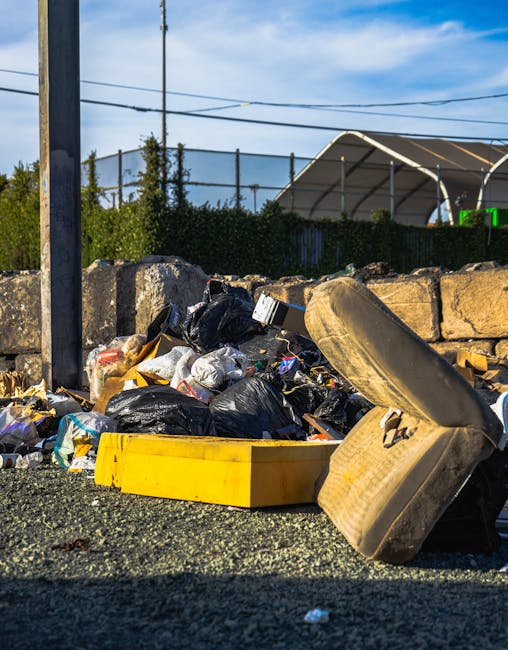
The slightly awkward truth is that people often wait too long because they hope someone else will sort it out. A neighbour, a porter, the building manager, maybe even "the next collection." But rubbish tends to become more visible, not less. If you have ever seen a single bag turn into a small heap by Friday afternoon, you will know exactly what I mean.
Tools, Resources and Recommendations
You do not need a complicated setup to manage dumped rubbish well. A few practical tools help a lot:
- a phone camera for photos and timestamps;
- strong gloves for safe handling of non-hazardous waste;
- simple bin bags or rubble sacks for containment;
- a tape measure if you need to estimate volume for a quote;
- basic labels or notes for separating items;
- a contact list for building management, landlord, or collection provider;
- a quick reference page for service types such as furniture disposal, garden waste removal, and loft clearance.
When choosing a service, look for clarity rather than hype. A straightforward pricing page, sensible terms, and visible safety information matter more than flashy promises. If you want to compare costs and talk through what is involved, the pricing and quotes page is the right place to start. You can also review the company's position on safe handling through insurance and safety and the broader recycling and sustainability approach.
For business users, that confidence matters. For household users, it matters just as much. Nobody wants a half-answered question when the waste is already on the pavement.
Law, Compliance, Standards, or Best Practice
This is the part where people sometimes try to wing it. Better not.
In the UK, waste should be passed only to a lawful carrier and handled in a way that avoids illegal dumping. As a practical rule, if a collector cannot explain who they are, how the waste will be handled, or what happens after pickup, that is a bad sign. Keep records where you can. For businesses especially, that means being able to show a sensible chain of responsibility for waste removal.
Best practice normally includes:
- using a legitimate service for collection and disposal;
- keeping waste separate where needed;
- not leaving waste in public or shared spaces without a plan;
- making sure contractors understand site access and disposal expectations;
- storing rubbish securely so it is not added to by others.
If builders' debris is involved, the need for care goes up. Construction waste can be heavier, sharper, dustier, and harder to move safely. A planning conversation before the job starts is usually better than a panic call at the end. If you need a more local perspective, the guide on where to dump builders' waste near Norfolk Square covers the sort of practical questions people ask after a refurbishment gets messy.
Small note, but an important one: compliance is not just about avoiding punishment. It is about not handing your problem to the next person down the road. That is where the real reputational damage often starts.
Options, Methods, or Comparison Table
There are several ways to deal with dumped rubbish in Paddington, and the right choice depends on volume, speed, and responsibility. Here is a simple comparison.
| Option | Best for | Advantages | Limitations |
|---|---|---|---|
| Report and wait for building management or local action | Waste in shared or managed spaces where responsibility is unclear | Useful for documentation and escalation | May not solve the problem quickly |
| Book a general rubbish collection | Mixed household waste, bagged clutter, smaller bulky items | Convenient and practical for many one-off jobs | Not ideal for specialist debris or heavy loads |
| Arrange full waste clearance | Larger clear-outs, multiple item types, messy accumulations | Good for bigger jobs and quicker reset | Needs more planning and clear scope |
| Use a specialist service | Builders' waste, furniture, office items, garden waste, loft contents | Matched to the material, often more efficient | Requires choosing the right category |
If you are unsure which route fits, start with the waste type rather than the place. That is the simplest way to avoid overpaying or booking the wrong thing. For example, office chairs and filing units are not the same as a post-renovation rubble pile. They just look equally annoying when they are all stacked in the same corridor.
Case Study or Real-World Example
Here is a realistic local scenario. A small Paddington office notices a pile of broken desk parts, packaging, and old chairs left near the rear service entrance after a team move. At first, it looks manageable. Someone suggests leaving it overnight because "the building is quiet now." By the next morning, two extra bin bags and a box of mixed clutter have been added by unknown hands. The pile now blocks part of the access route and looks much worse.
Instead of waiting, the office manager photographs the waste, alerts building management, and books a proper office clearance in Paddington. The waste is removed in one go, the access route is restored, and the building team adjusts the process for future move-outs. Simple enough in hindsight. But if they had left it another day, the issue could have become a complaint from neighbouring units or a nuisance report.
A similar pattern happens in homes. A family clears a loft, leaves bags in the hallway "for tomorrow," and then discovers the hallway feels less like storage and more like an obstacle course. A fast booking for loft clearance would have made the whole thing easier. It is rarely the big dramatic mistake. More often it is a small delay that snowballs.
Practical Checklist
Use this checklist when you find dumped rubbish or need to avoid becoming part of the problem.
- Identify the waste type: household, bulky, garden, office, or builders' debris.
- Check whether any item looks hazardous or sharp.
- Take photos of the waste and the location.
- Note the date and time it was discovered.
- Confirm whether the waste belongs to your property, tenant, contractor, or business.
- Contain the waste if it can be done safely.
- Choose the right disposal route instead of leaving it in place.
- Use a legitimate collection option and keep basic records.
- Tell building management or neighbours if the waste is in a shared space.
- Review the cause so it does not happen again.
Quick practical rule: if the waste looks likely to spread, smell, or obstruct access, act sooner rather than later. That small bit of urgency usually saves time, not adds to it.
If you would like a straightforward, local approach to clearance, explore the site's service information and choose the option that matches the waste you actually have. If the job is bigger than a few bags, do not guess. Guessing with rubbish is not a hobby worth keeping.
Get a free quote today and see how much you can save.
Conclusion
Dealing with dumped rubbish in Paddington is mostly about being prompt, sensible, and a little bit organised. That is it. You do not need drama, and you definitely do not need to wait until the pile has become someone else's talking point. Document the waste, keep people safe, use the right disposal route, and act before the problem spreads.
Whether you are a resident, landlord, business owner, or contractor, the same principle applies: clear rubbish properly and you lower your risk of trouble. Clear it quickly and you make life easier for everyone around you, too. And in a neighbourhood as active as Paddington, that kind of quiet competence goes a long way.
When in doubt, choose the safe, lawful path. It is usually the least stressful one in the long run, even if it asks for a bit more effort today. One small decision now can save a lot of noise later.

 Tipper Van - Rubbish Removal and Waste Clearance Prices in Paddington, W2
 Luton Van - Rubbish Removal and Waste Clearance Prices in Paddington, W2

