

Westminster Council rules for household waste in Paddington
Posted on 10/06/2026
Westminster Council rules for household waste in Paddington: a practical guide for residents
If you live in Paddington, household waste can feel deceptively simple right up until it isn't. One week the bins are collected without a fuss; the next, a missed sack, an overfilled wheelie bin, or a bulky item on the pavement turns into a proper headache. That is where understanding Westminster Council rules for household waste in Paddington really pays off. It helps you avoid mess, stay within the local collection system, and sidestep the sort of fly-tipping problems that make neighbours grumble at 7 a.m.
This guide breaks the rules down in plain English. You will find what household waste usually covers, how collections tend to work, what to do with recycling and bulky items, the mistakes people most often make, and how to deal with awkward situations like a sofa that won't fit out of the door. To be fair, that last bit is where many Paddington households get caught out.
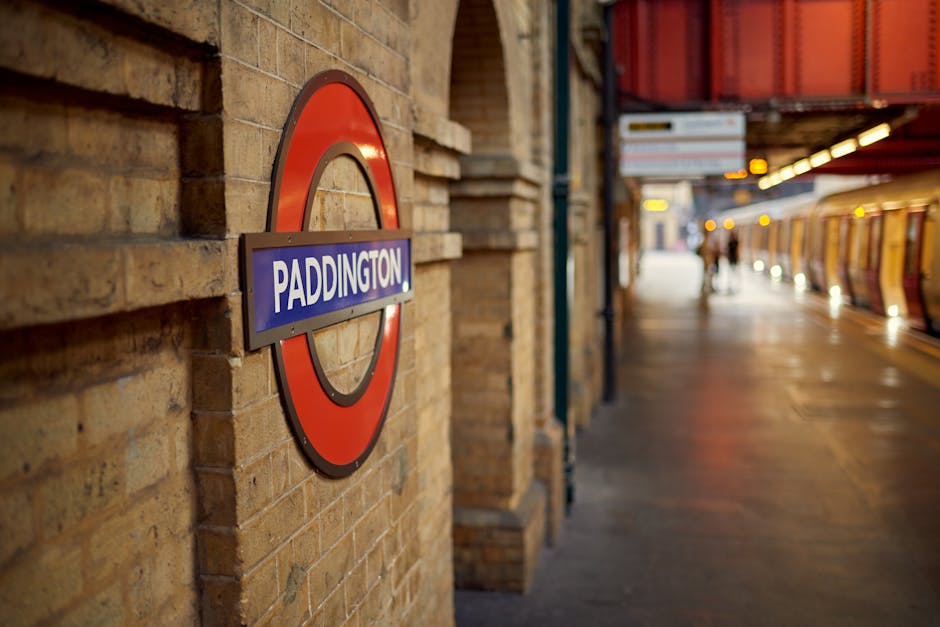
Why Westminster Council rules for household waste in Paddington Matters
Paddington is busy, dense, and full of flats, mansion blocks, terraces, managed developments, and homes with very little spare storage. In a neighbourhood like that, waste rules are not just admin. They shape whether streets stay clean, whether bin stores remain usable, and whether rubbish becomes somebody else's problem. And let's face it, nobody wants to step around a torn black bag on the way to the station.
Household waste rules matter for three main reasons. First, they protect health and hygiene. Food waste left out too long attracts pests and creates smells that spread fast in communal areas. Second, they keep streets passable and safe, especially where pavements are narrow and delivery traffic is constant. Third, they help residents avoid enforcement issues. If rubbish is left out incorrectly, it can be treated as fly-tipping or a breach of local waste rules, depending on the circumstances.
There is also a social side to it. In a place where neighbours are close together, one household's laziness becomes everyone's view. That sounds harsh, but it is true. The good news is that once you understand the system, waste management becomes routine rather than stressful. If you are new to the area, or thinking about moving here, our insider's look at Paddington gives useful context on how local living actually feels day to day.
People often discover the importance of local waste rules after a practical problem arrives. A flat clear-out. A new sofa delivery. A garden tidy-up after a damp weekend. Or a renovation that produces more rubble than expected. In those moments, having the right process in mind saves time, and usually money too.
How Westminster Council rules for household waste in Paddington Works
At a high level, the system is straightforward: sort your household waste correctly, present it at the right time and in the right containers, and use the proper route for anything that is too large, too heavy, or too specialised for normal collections. The details matter though, because the rules for mixed waste, recycling, food waste, and bulky items are not all the same.
Most households in Paddington will need to think in terms of separate streams rather than one general rubbish pile. That usually means:
- Residual waste for items that cannot be recycled.
- Recycling for clean, accepted materials placed in the correct container.
- Food waste where the local service or building setup provides it.
- Bulky waste for large items such as furniture, appliances, and mattresses.
- Special items like batteries, electricals, paint, and sharp objects that need separate handling.
In blocks with communal bins, the rules can feel stricter because the waste is shared. That means no leaving bags beside the bin when it is full, no stuffing items into the wrong container, and no dumping at the side because "someone will sort it out later." Usually, they won't. It just sits there until the wind does what the wind does.
If you are dealing with larger items or an inherited property clear-out, it may be easier to use a dedicated collection route. Our page on house clearance in Paddington is useful when the job has become more than a normal bin-day task. For mixed household waste, a planned rubbish collection in Paddington can be the simpler option.
One thing people sometimes miss is that household waste rules also interact with property type. A converted flat above shops behaves differently from a house with a front garden. A managed development may have its own bin-store rules layered on top of council collection expectations. If you are buying or renting locally, waste storage is one of those boring-but-important details that can shape everyday life more than you expect. That is why guides like buying property in Paddington can be more practical than they first look.
Key Benefits and Practical Advantages
Following the rules properly has some immediate benefits, and not just the obvious "avoid a fine" angle. In our experience, the biggest upside is how much calmer the routine becomes once waste stops being improvised.
- Cleaner communal areas: less odour, fewer pests, less spillover near bin stores.
- Less stress on collection day: no last-minute scramble to rescue a bag from the wrong pile.
- Fewer disputes with neighbours or managing agents: especially in flats and mansion blocks.
- Better recycling performance: cleaner sorting means less contamination.
- Lower risk of enforcement problems: because waste is handled where it belongs.
There is a quieter benefit too: it makes homes feel more orderly. That may sound a bit neat-freak, but if you have ever lived through a summer week with a missed food bag in a shared courtyard, you will know exactly why it matters. The smell gets in the air, then in the mood, then in everyone's patience.
For landlords, managing agents, and homeowners alike, a good waste routine also protects the condition of the building. Corridors stay clearer. Fire exits stay usable. Bin stores are less likely to become a magnet for dumped mattresses or cardboard mountains. If you are juggling several property-related priorities, our Paddington real estate market article may give useful background on why operational details like this increasingly matter.
And yes, if you are trying to keep a renovation or clear-out moving, there is a commercial angle as well. A tidy waste plan reduces delays. Workers spend less time moving rubbish around, and you spend less time chasing problems nobody planned for.
Who This Is For and When It Makes Sense
This guidance is for anyone living, renting, managing, or helping maintain a home in Paddington. That includes a few different scenarios, and each one has its own little complications.
- Tenants: you need to follow building and council expectations, even if the bin room looks chaotic.
- Homeowners: you are usually responsible for ensuring waste is stored and presented correctly.
- Landlords: you need practical systems for turnover, clear-outs, and tenant guidance.
- Managing agents: communal waste arrangements often need regular oversight.
- Families and shared households: waste volumes rise quickly, especially with packaging and food.
- Anyone clearing out a home: lofts, sheds, cupboards, and spare rooms always contain more rubbish than expected. Always.
It also makes sense if you are handling life changes. Moving in, moving out, downsizing, dealing with bereavement, or preparing a sale can all trigger a sudden spike in household waste. In those moments, a simple collection route is often better than trying to force everything into the regular bin cycle. If you are comparing options, take a look at waste clearance in Paddington for broader support across different waste types.
This is also relevant if you host often. A dinner party can be lovely until the recycling bin fills with glass, cardboard, bottle tops, and food scraps by Sunday morning. You know the scene. The kitchen looks charming until the washing-up appears like an ambush.
Step-by-Step Guidance
Here is the simplest way to stay on the right side of household waste rules in Paddington without overthinking it.
- Identify your waste type. Separate general rubbish, recycling, food waste, bulky items, and anything special such as batteries or electricals.
- Check your building setup. Some homes use individual bins, while others depend on communal stores and scheduled collections.
- Use the correct container. Do not put recycling into residual waste "just this once." Contamination spreads quickly.
- Present waste at the right time. Put bins out according to local arrangements and bring them back in when they have been emptied.
- Keep loose bags under control. If the bin is full, do not leave waste beside it unless your building or collection service explicitly allows it.
- Deal with bulky waste separately. Sofas, wardrobes, mattresses, and white goods usually need a different process.
- Protect shared spaces. Wipe down leaks, tie bags securely, and flatten cardboard where possible.
- Choose a proper disposal route for awkward items. For furniture, a dedicated service such as furniture disposal in Paddington can save a lot of hassle.
If you are clearing a loft or a storage cupboard, go slowly at first. A rushed sort-out often creates mixed piles that are harder to dispose of properly. A bag of old paperwork, broken lamps, random wires, and half a shelf bracket can become a nuisance fast. For that sort of job, loft clearance in Paddington may be the more practical route.
For garden waste, the same principle applies. Don't mix soil, branches, plant cuttings, and household rubbish if you can help it. A clean separation makes disposal much easier, and kinder to the environment too. If that is a regular need, garden waste removal in Paddington can be a sensible option.
Expert Tips for Better Results
A few small habits make waste management dramatically easier. None of them are glamorous, but they work.
1. Keep a small sorting station in the kitchen. Even a few labelled bags or caddies helps. It is easier to sort as you go than to face a mystery heap later.
2. Flatten cardboard immediately. It saves space, reduces bin overflow, and stops one takeaway delivery turning into a week-long logistics issue.
3. Store bulky items separately from normal rubbish. Once they join the general waste pile, they tend to get ignored until they become somebody's annoying Saturday.
4. Think ahead before furniture deliveries. Old chairs, wardrobes, and packaging often arrive and leave in the same week. Plan the removal before the new item is blocking the hallway.
5. Make one person responsible in shared homes. Not permanently, just long enough to keep everyone honest. Otherwise, "I thought someone else took it out" becomes the household anthem.
6. Watch the building rules as much as the council rules. Many Paddington properties have bin store instructions, access times, or quiet-hour expectations that matter in practice.
7. Use professional collection support when the job gets awkward. If rubbish is piling up after a move, refurbishment, or estate clear-out, a dedicated collection service can be less disruptive than trying to DIY it all.
A small but useful observation: the best waste systems are boring. They are not heroic. They just quietly work on a wet Tuesday evening when you are tired, the pavements are shiny with rain, and you do not want to think about bin logistics again. That is the goal, really.
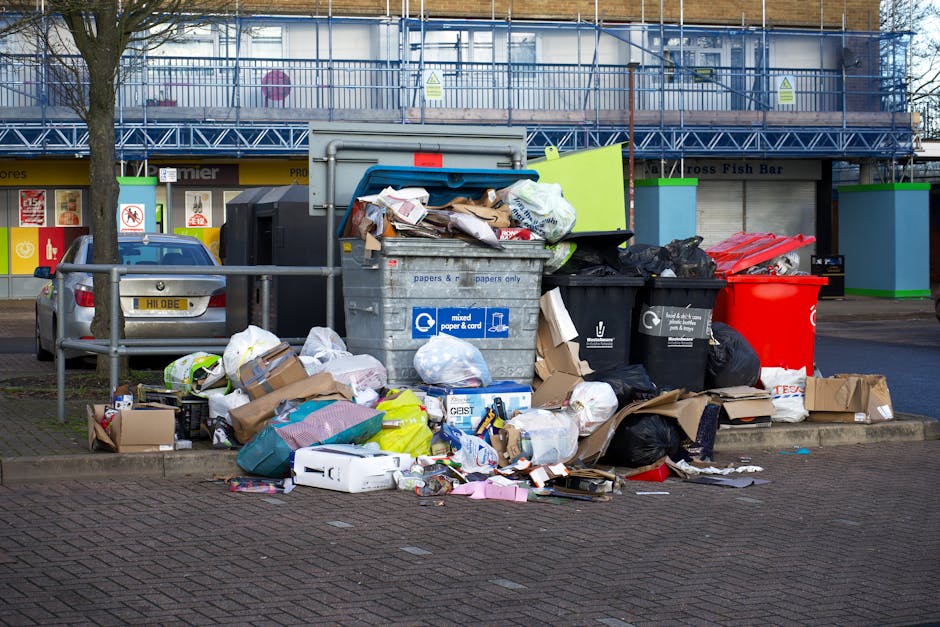
Common Mistakes to Avoid
Most waste problems in Paddington are not caused by terrible intentions. They are caused by shortcuts. The shortcut usually feels harmless at the time.
- Leaving bags beside full bins: this is one of the quickest ways to create street clutter.
- Mixing recycling with food waste: contamination can make a whole load less useful.
- Putting large items out without checking the process: a mattress or broken table is not automatically regular bin waste.
- Assuming someone else will move it: communal spaces are nobody's personal storage room.
- Using the wrong collection route after a clear-out: normal household bins are not designed for heavy home renovation debris.
- Forgetting about packaging waste after a delivery: one new appliance can produce an embarrassing amount of cardboard and plastic.
- Ignoring the difference between household waste and builders' waste: they are treated differently in practice and often need different disposal methods.
If you are planning work at home, especially anything involving stripping out fixtures or removing old materials, read up before you begin. Builders' debris is its own category, and dumping it with everyday household rubbish is a fast way to make life harder. If that is your situation, builders' waste disposal in Paddington is worth reviewing. For a more specific local angle, you may also find where to dump builders' waste near Norfolk Square helpful.
And one more thing: do not treat fly-tipped rubbish as if it is automatically safe to move. If dumped waste turns up near your home, it is better to report or arrange proper removal than to guess. Our guide on dealing with dumped rubbish explains the practical side of that problem.
Tools, Resources and Recommendations
You do not need fancy tools to manage household waste well, but a few simple things help a lot.
- Good-quality bin liners: fewer split bags, fewer leaks, less mess in communal areas.
- Labels or marker pens: useful for households that separate recycling and general waste by hand.
- Reusable containers or caddies: helpful for food scraps and small recyclables.
- Gloves and basic cleaning supplies: useful for moving items, wiping spills, and protecting hands during clear-outs.
- Delivery-day planning: keep a box or sack ready for cardboard, foam, and wrapping material.
- Professional removal support: a good fit when the waste is heavy, mixed, urgent, or emotionally difficult to sort.
For many households, the right recommendation is not "do more" but "do less, more neatly." Separate sooner. Store less. Remove larger items before they become a pile. If you need a fuller overview of what is available locally, the services overview page is a practical place to compare options. If the issue is time-sensitive, our guide to urgent same-day rubbish pickup in Paddington may also help you understand what to expect.
For residents who care about doing things properly, it is worth reading the recycling and sustainability information too. Not because everyone needs a lecture about bins. Simply because better sorting usually leads to better outcomes, and that is a decent thing to aim for.
Law, Compliance, Standards, or Best Practice
This topic sits within normal UK household waste expectations, local collection arrangements, and broader anti-fly-tipping rules. The exact council process can change over time, so the safest approach is to rely on current local instructions and to treat anything unofficial with caution.
In practical terms, the main compliance points are straightforward:
- Do not leave waste on the public highway unless collection rules allow it.
- Do not mix waste in ways that create contamination or unsafe conditions.
- Do not use communal bins for items they were never meant to hold.
- Do not dump bulky waste beside bin stores or in alleyways.
- Do not hand waste to an unlicensed or unclear operator.
Best practice is often more important than bare minimum compliance. For example, even if a building is lenient about bin presentation, placing bags neatly and keeping lids shut reduces mess and reduces the chance of attracting pests. That is just common sense, but common sense is worth repeating sometimes.
For business-adjacent or mixed-use buildings, the line between household waste and commercial waste can matter too. If you are managing a flat above an office, or clearing a home that also contains business records or stock, you may need extra care. In those cases, the right disposal route can depend on the type of material and the site arrangement. When in doubt, choose the more careful option. It saves awkwardness later.
Options, Methods, or Comparison Table
Here is a simple comparison of the main ways Paddington households tend to handle waste.
| Method | Best for | Pros | Watch-outs |
|---|---|---|---|
| Regular council-style household collection | Everyday rubbish and standard recycling | Routine, familiar, low effort once set up | Not suitable for bulky or unusual items |
| Bulky item disposal | Sofas, tables, mattresses, appliances | Designed for larger objects | Needs planning and correct booking or collection route |
| DIY trips to disposal points or similar routes | Small amounts from a clear-out | Flexible if you have transport | Time-consuming, difficult without a vehicle, easy to mix waste incorrectly |
| Professional waste collection | Mixed, heavy, urgent, or awkward waste | Saves time and reduces lifting, sorting, and disruption | Costs more than ordinary bin use, so best reserved for the right jobs |
For most residents, the decision comes down to volume, timing, and effort. One bag? Use the normal system. Three rooms' worth of clutter after a move? A professional or bulky route is usually far less painful. If you are in the middle of a larger property project, the local guides on living in Paddington and an insider's look at Paddington can give helpful context on local property life and day-to-day logistics.
Case Study or Real-World Example
Imagine a couple in a Paddington flat has just finished redecorating their living room. The paint tins are empty, the old curtains are down, a worn armchair is waiting by the door, and there are several bags of packaging from the new furniture delivery. At first glance it feels manageable. Then the bin store fills up, the cardboard starts leaning against the wall, and the armchair suddenly becomes the big problem in the room.
What went wrong? Nothing dramatic, just the usual mix of too many waste types and not enough planning. If they had separated the cardboard early, checked whether the armchair needed a special collection, and kept food or general waste out of the pile, the job would have been much easier. Instead, the waste grew tentacles. That is how these things go.
The better approach would be:
- Flatten and store all cardboard separately.
- Keep regular rubbish in sealed bags.
- Remove the armchair through a dedicated furniture route.
- Put any paint, sharp items, or electrical scraps aside for separate handling.
- Only place standard household waste in the normal bin stream.
In a real Paddington home, this kind of situation is common after moving day or a fast refurb. The exact items vary, but the logic stays the same. Sort early, store neatly, and do not let one awkward item hijack the whole week. If the clear-out gets bigger, our house clearance in Paddington service overview is a sensible next step.
Practical Checklist
Use this checklist before bin day or before arranging a larger disposal.
- Have I separated general waste, recycling, and food waste?
- Are bags tied securely and free from leaks?
- Is the recycling clean and accepted?
- Have I flattened cardboard and broken down bulky packaging?
- Do I know where bulky items are meant to go?
- Is anything sharp, hazardous, or electrical separated out?
- Am I putting waste in the correct communal or private bin?
- Have I checked the building's bin-store rules?
- Do I need a professional collection for heavy or mixed items?
- Have I planned for any post-delivery packaging before it spills across the hallway?
If you can answer yes to most of these, you are already ahead of the average bin-day chaos. Honestly, that counts.
Get a free quote today and see how much you can save.
Conclusion
Understanding Westminster Council rules for household waste in Paddington is less about memorising fine print and more about building a routine that works in a busy London neighbourhood. Once you know what belongs where, what needs separate handling, and when to call in extra help, the whole thing gets simpler. Cleaner bin stores, fewer neighbour disputes, less stress, and a lot less last-minute dragging of bags down the stairs.
The practical takeaway is simple: sort early, store safely, use the correct route for bulky or awkward items, and never assume the pavement is an acceptable fallback. Paddington living already comes with enough moving parts. Waste management does not need to be another one.
If you keep your system tidy, the rest tends to follow. And that is a small win, but a real one.
 Tipper Van - Rubbish Removal and Waste Clearance Prices in Paddington, W2
 Luton Van - Rubbish Removal and Waste Clearance Prices in Paddington, W2

